

Best Time to Visit St. Maarten for Sailing
Julia EvansAugust 17, 2026ST. Maarten
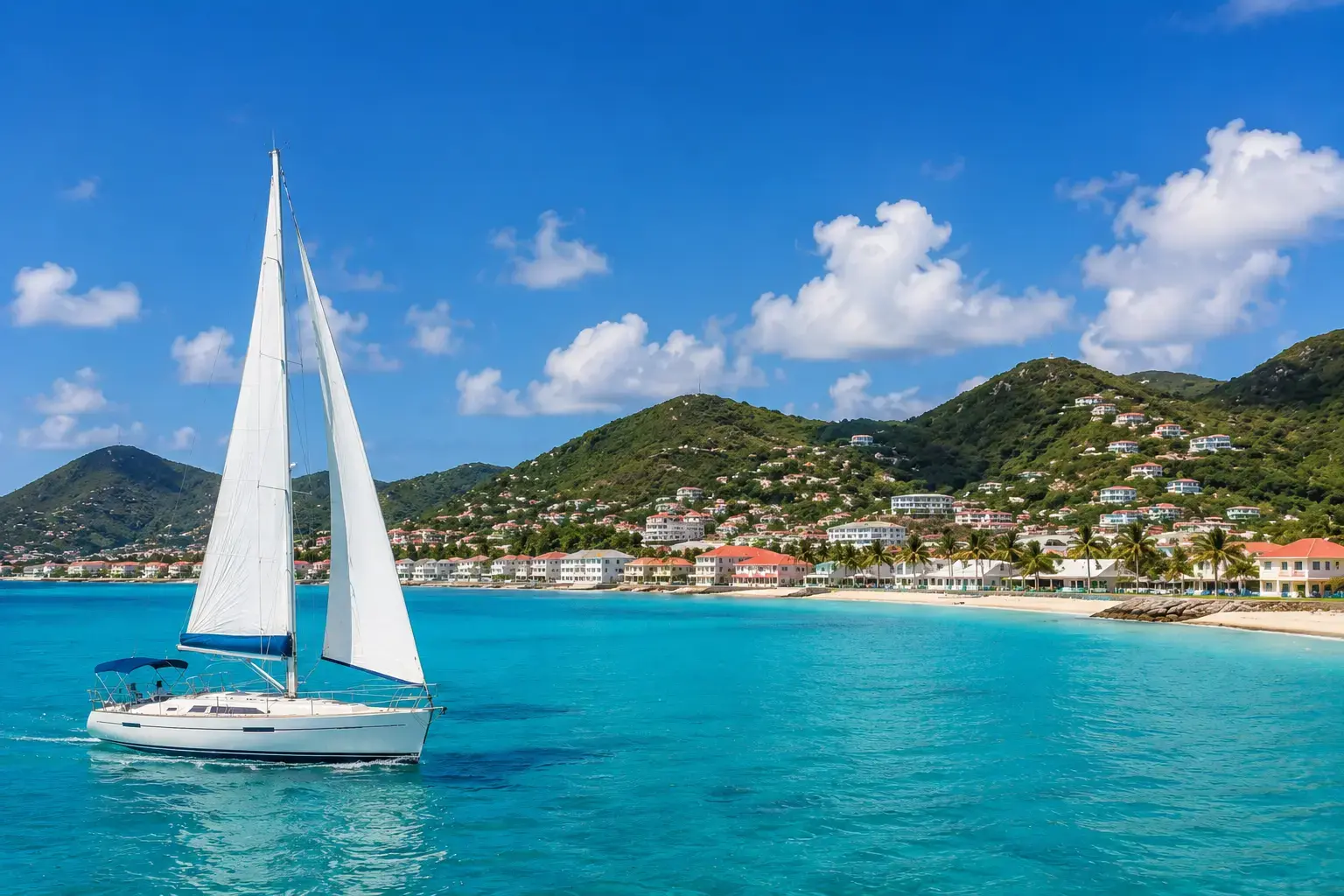
The Best Time to Visit St. Maarten for sailing runs from December through April, the island's dry season. Steady northeast trade winds, low rainfall, and calmer Caribbean seas make catamaran day trips out of Simpson Bay reliable across these five months. Shoulder months of May, June, and November still deliver strong sailing conditions with fewer cruise-ship crowds and softer rates.
What Is the Ideal Time to Visit St. Maarten for Sailing?
The best time to visit St. Maarten is from December to April for catamaran sailing, snorkelling, and sunset cruises. Northeast trade winds settle into a consistent range that catamaran captains prefer, rainfall stays low, and humidity eases across the whole dry-season window. Simpson Bay, on the Dutch side of Sint Maarten, sees its busiest boating traffic during these five months. The reason is simple: conditions are the most consistent of the year. Day trips run on schedule, and sea state stays comfortable for swimmers.
If your priority is guaranteed sailing weather, target January, February, or March. If you want warm water with fewer visitors, look at late April, May, or November instead. Both windows keep the catamaran fleet on the water. You can view live availability and catamaran schedules on the private charter page.
St. Maarten Weather by Month
St. Maarten weather by month splits into three sailing windows. The dry season is between December and April. May, June, and November are shoulder months. The active Atlantic hurricane season covers August through October. Water temperature in the Caribbean Sea stays warm year-round, so swimming and snorkeling at Little Bay remain comfortable no matter when you sail. You can explore all St. Maarten catamaran day trips to find an itinerary that fits your travel month.
| Month | Season | Trade Winds | Rain | Catamaran Sailing |
| January | Dry | Strong, steady | Low | Excellent |
| February | Dry | Strong, steady | Low | Excellent |
| March | Dry | Strong, steady | Low | Excellent |
| April | Dry | Steady | Low | Excellent |
| May | Shoulder | Moderate | Rising | Very good |
| June | Shoulder | Moderate | Occasional | Good |
| July | Early wet | Lighter | Occasional | Good with planning |
| August | Hurricane | Variable | Increasing | Monitor forecasts |
| September | Hurricane peak | Variable | Highest | Highest risk |
| October | Hurricane | Variable | High | Improving late month |
| November | Shoulder | Trade winds return | Decreasing | Very good |
| December | Dry | Steady | Low | Excellent |
The St. Maarten Dry Season Runs December through April
The St. Maarten dry season delivers the island's most consistent sailing weather from December through April. Northeast trade winds power catamarans through the Caribbean Sea most days, and rainfall stays low across the full five-month window. Simpson Bay is the busiest catamaran departure point on the island during this window, and captains rarely cancel day trips for weather reasons alone.
Visibility for snorkeling at Little Bay tends to be at its best in the dry months. Reduced rainfall means less runoff carrying sediment from the hills, so the water clears up along the shoreline. If underwater views matter to your trip, February and March are the strongest bets.
Peak-holiday weeks around Christmas, New Year, and Easter bring the highest travel volume of the year across the whole island. If you want a private catamaran to yourself over the holidays, plan the booking well ahead. You can check rates and reserve whole-boat private charters early to secure peak-season slots.
When to Sail in St. Maarten outside the Dry Season
Knowing when to sail in St. Maarten outside the December-to-April window matters if your travel dates are locked in. The shoulder months of May, June, and November are the strongest alternatives. Trade winds soften compared with peak dry season, but the wind still fills a catamaran sail. Rainfall increases in short bursts rather than long soakings, and cruise-ship crowds thin out at Philipsburg and around Simpson Bay.
November in particular is a sweet spot. Hurricane risk drops sharply once the calendar turns, trade winds re-establish, and demand across the island softens compared with the December holiday spike. May carries the same appeal on the front end of the year, with warm water and clear skies most days.
A quiet-water advantage runs through both shoulder windows. Catamarans anchoring at Little Bay have more room to swing. Snorkelers share the reef with fewer other groups. Booking the private sunset sail in St. Maarten for a shoulder-season evening delivers a calm, uncrowded window on the water.
Hurricane Season Considerations for St. Maarten
The Atlantic hurricane season officially runs June 1 through November 30, according to the NOAA National Hurricane Center. The highest-risk months for St. Maarten fall between August and October. September historically carries the most named-storm activity for the northeast Caribbean.
Sailing does continue in these months on days when the forecast cooperates. Travelers who follow tropical conditions can find the best time to visit St. Maarten weather for enjoying smooth sailing and relaxing catamaran trips. A few practical points shape planning:
- Book travel insurance that specifically covers named-storm cancellations.
- Keep flexibility in your itinerary for a one or two day shift.
- Confirm the cancellation and reschedule policy with the operator before you pay.
- Watch the NHC five-day forecast starting about a week out from your dates.
Storm days themselves are rare, even in September. Most hurricane-season days in St. Maarten still bring sunshine, warm water, and sailable wind. The risk is a single weather system that closes the marinas for a few days at a time, not a full month of washouts. To help manage your schedule, you can browse flexible shared day sail options with clear policy details.
Sea State and Snorkelling at Little Bay
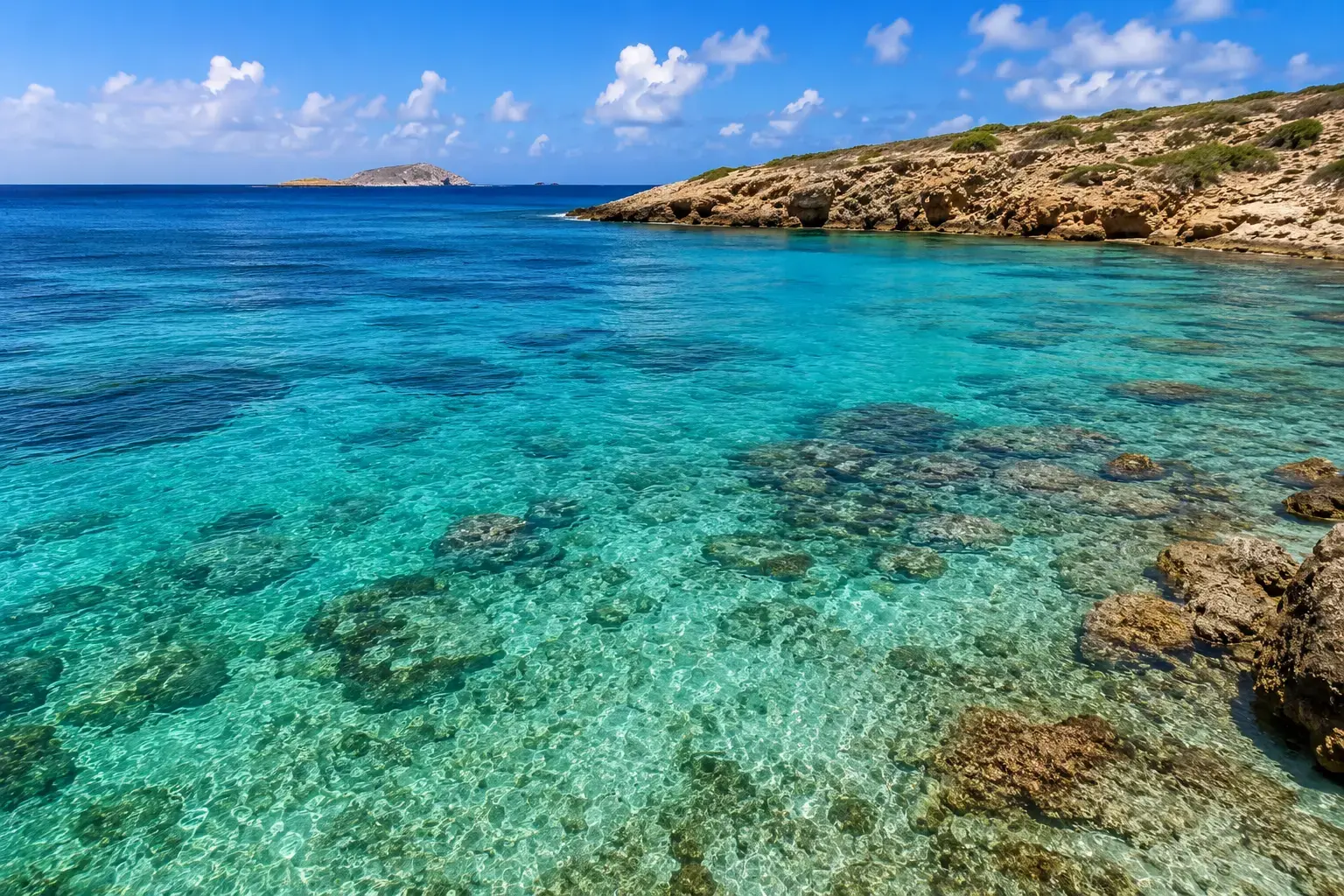
Little Bay is St. Maarten's calmest west-coast snorkeling stop, sheltered from prevailing easterly swells. Water clarity is at its best in the dry season, when reduced rainfall keeps runoff low along the shoreline. Catamaran day sails that stop for a swim at Little Bay time the anchor for late morning. Afternoon wind can lift chop across the bay.
Wave heights across the north and east coasts of Sint Maarten run larger than the west. Peak trade-wind weeks in January and February bring the biggest open-water swells. That is a feature rather than a bug for sailing: strong steady wind is what powers a catamaran. Sheltered snorkel stops on the west coast at Little Bay stay more comfortable for less confident swimmers. Open-water stops on the same day can feel choppier. If you want to relax on quiet water, you can learn more about private custom catamaran charters that tailor route stops based on daily swell conditions.
Best Month for a St. Maarten Catamaran
The Best Time to Visit St. Maarten for a catamaran excursion depends on what you want from the day. February combines the driest weather, the most consistent trade winds, and the clearest snorkeling water. February wins for all-round sailing quality. November is the best value month, with dry-season conditions returning after the hurricane peak and lower demand before the December holiday rush.
Boat Trips Club runs three catamaran options in St. Maarten, each suited to different travel styles:
- A 5-hour private sailing charter for the whole boat, with a chef-cooked lunch, open bar, snorkeling gear, paddleboards, kayaks, and hotel transfer included.
- A 2-hour private sunset cruise from Simpson Bay with open bar, snacks, and sunset views on the water for private groups.
- A shared 5-hour catamaran day sail with snorkeling, a Tarzan swing, fresh lunch, open bar, paddleboards, kayaks, and hotel transfer for smaller groups.
The private charter runs 5 hours with local hotel pick-up and drop-off included. The sunset sail is a 2-hour evening cruise out of Simpson Bay. The shared day sail is a 6-hour trip with hotel-transfer pickup. All three depend on the same wind and sea state, so the seasonal calendar above applies to every option. You can compare detailed inclusions across all St. Maarten catamaran itineraries to choose the right fit for your group and the best time to visit St. Maarten
Book a Catamaran Sail in St. Maarten
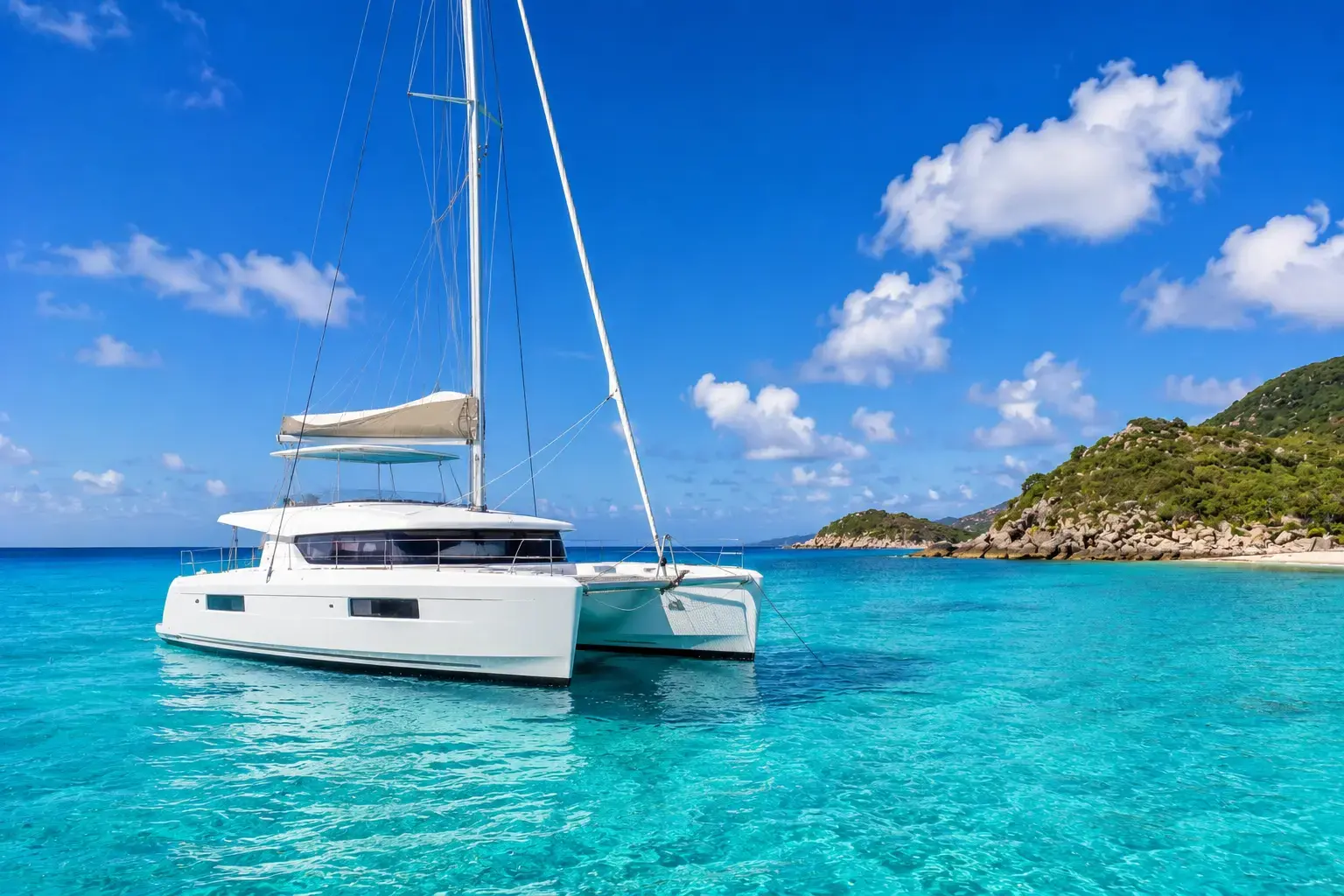
The full St. Maarten catamaran lineup and current dates all sit on the destination hub. Private charters, private sunset sails, and shared day sails are bookable there. If your dates fall in the dry-season window and you want the whole catamaran to yourself, look at the private sailing charter first. If you are traveling as a couple or a small party, the shared day sail is the friendlier fit. Questions about matching a specific date to the right boat can go through the Boat Trips Club contact page. You can browse all available St. Maarten boat trips to view current openings. Chat with us on WhatsApp. Message Boat Trips Club at +1 888-832-4893 with questions or to lock in your dates.
Planning Your St. Maarten Day on the Water
The Best Time to Visit St. Maarten for sailing is any dry-season day from December through April, with November and May as strong shoulder alternatives. Watch the NHC forecast if you travel between August and October. Lean on the sheltered snorkel water at Little Bay when the trade winds are up. Whatever month you choose, the same three catamaran options are on the water and ready for you. You can review available charter itineraries from Simpson Bay to plan your time on the water.
Making the Most of Your St. Maarten Trip
Whether it's your first visit or a return trip, a little planning goes a long way in St. Maarten. When you're ready to get out on the water, the Boat Trips Club team is happy to help you find the right option for your group and answer any questions before you go. You can connect with local excursion coordinators to coordinate private group itineraries and the best time to visit St. Maarten.
Final Thoughts
Choosing the best time to Visit St. Maarten comes down to balancing optimal trade winds, dry weather, and your ideal group atmosphere on the water. While the peak dry season from December through April delivers pristine sailing conditions and maximum water clarity, shoulder months like November and May provide exceptional value with far fewer crowds. Regardless of when you set sail, booking the right catamaran excursion ensures you experience Sint Maarten's magnificent coastline and turquoise bays at their absolute finest. When you are ready to organize your day on the Caribbean Sea, you can explore custom private catamaran options in St. Maarten to lock in your preferred dates.
Frequently Asked Questions
What is the Best Time to Visit St. Maarten for a Catamaran trip?
December through April is the Best Time to Visit St. Maarten for a catamaran trip. The dry season brings steady northeast trade winds, low rainfall, and reliable sailing conditions out of Simpson Bay on the Dutch side of the island.
Is it safe to sail in St. Maarten during hurricane season?
Sailing continues in St. Maarten during hurricane season on days when the forecast is clear. The Atlantic hurricane season peaks between August and October. Watch the NOAA National Hurricane Center five-day forecast and book travel insurance that covers named-storm cancellations.
What is the cheapest month to visit St. Maarten?
November and early December often carry lower demand before the Christmas and New Year holiday spike. Trade winds have returned, hurricane risk has dropped, and travel volume has not yet peaked for the season.
Which St. Maarten catamaran tour is best for snorkeling?
Both the private sailing charter and the shared catamaran day sail include snorkeling gear, paddleboards, and kayaks. Both are 6-hour trips that can anchor at sheltered spots like Little Bay for a swim and a snorkel session.
Where do St. Maarten catamaran tours depart from?
The private sunset sail departs from Simpson Bay on the Dutch side of Sint Maarten. Other catamaran trips leave from convenient local marinas nearby, and hotel transfer is included on both the private sailing charter and the shared day sail.
How far in advance should I book a St. Maarten catamaran?
For dry-season dates and holiday weeks in December, January, and February, plan to book several weeks ahead. Shoulder-season dates in May, June, and November have more flexibility, and last-minute openings appear more often outside peak weeks.