

Costa Rica Whale Watching Tours: Guide to Two Seasons
Sofia AndersonJune 4, 2026Costa Rica
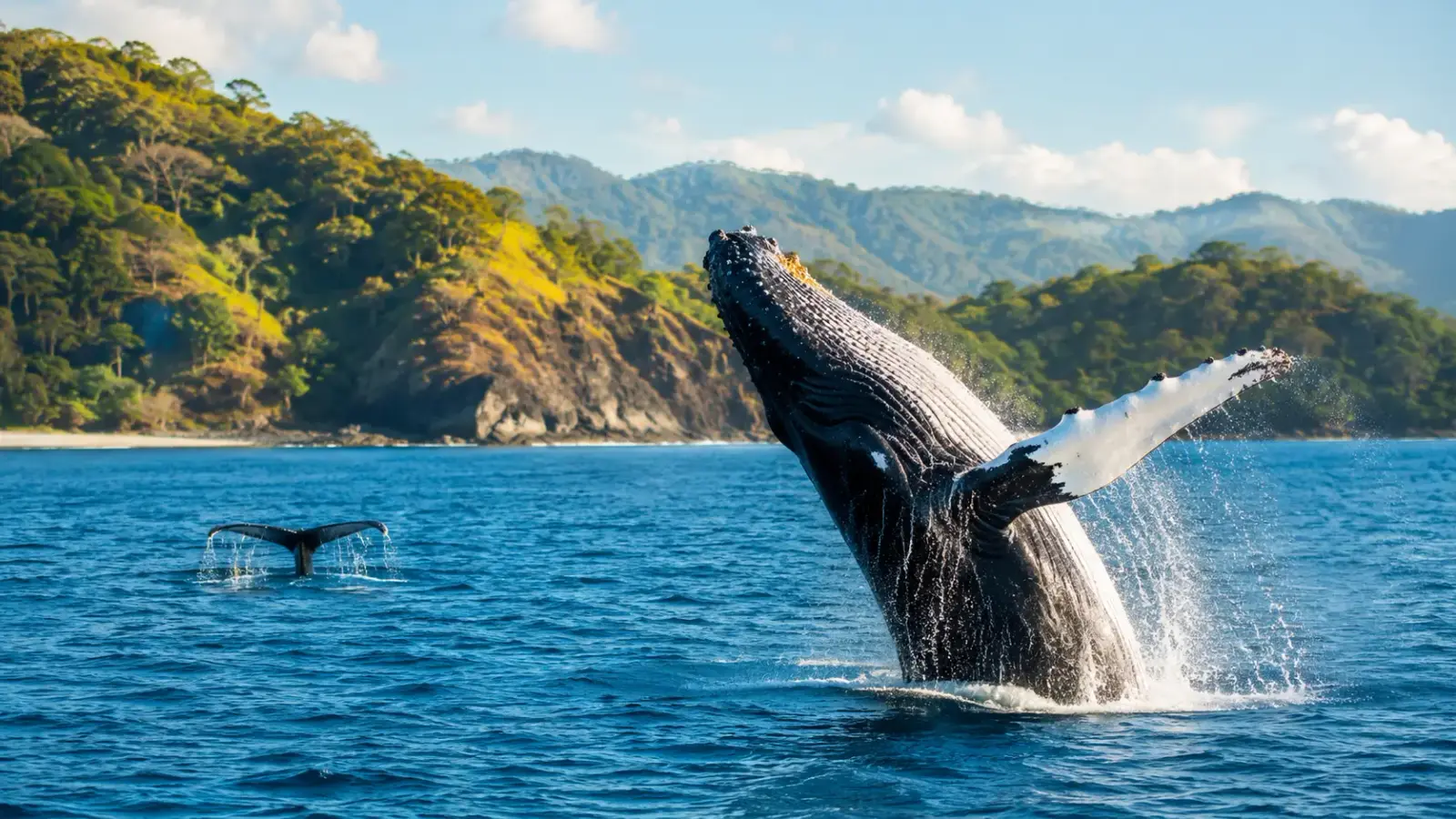
Costa Rica whale watching tours operate in two distinct seasons: December through April for northern hemisphere humpbacks, and July through October for southern hemisphere humpbacks. The dual-season pattern is unique to Costa Rica's Pacific coast among major whale-watching destinations. Most tours depart from Playa Flamingo, Guanacaste, with sightings of mothers, calves, and breaching adults common during peak weeks.
When Is Whale Watching Season in Costa Rica?
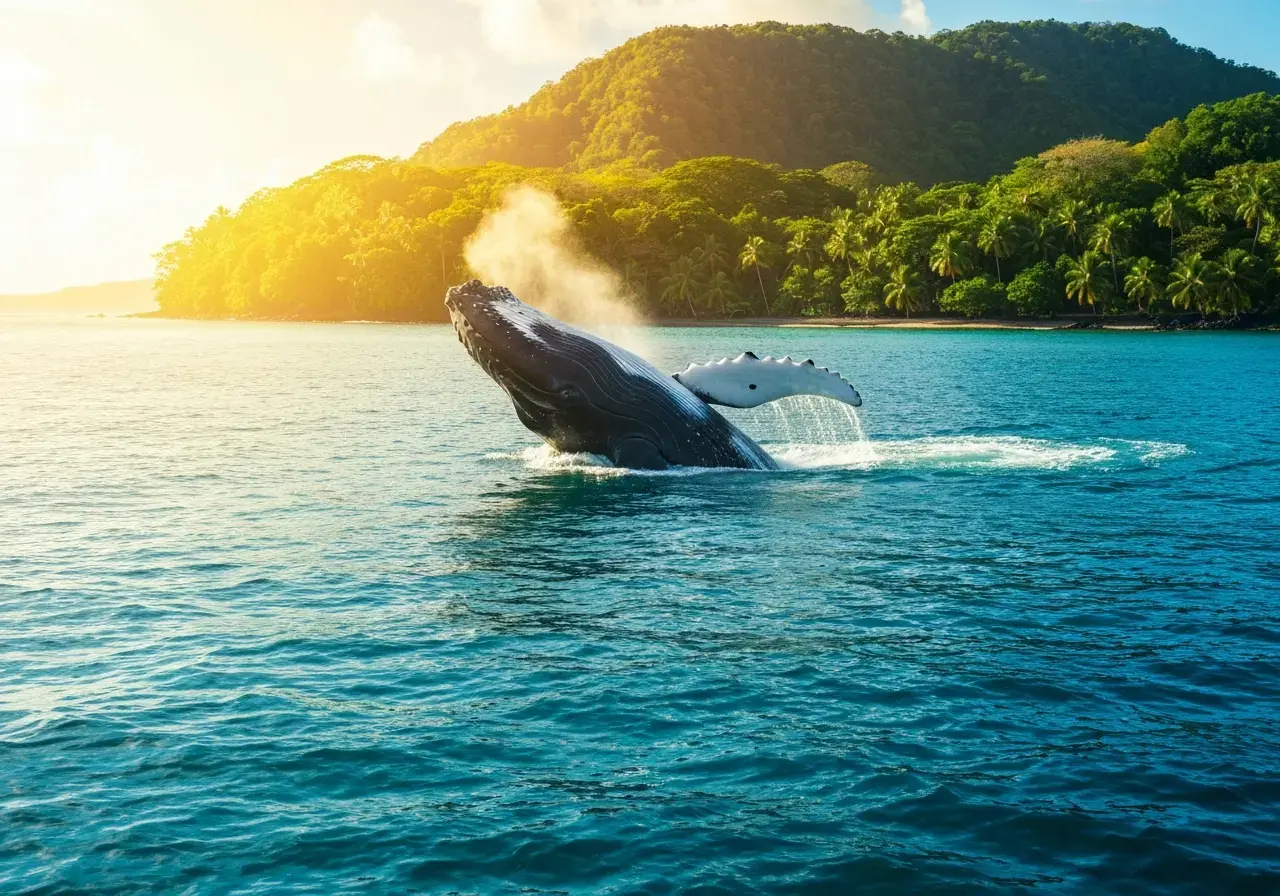
Costa Rica's Pacific coast hosts humpback whales in two annual seasons: December through April and July through October. The December–April window brings humpbacks migrating south from Alaska and the Pacific Northwest. The July–October window brings a separate population migrating north from Antarctic feeding waters. No other Pacific country supports two distinct humpback seasons of this combined length.
Peak sightings cluster near the midpoints of each window. For northern-hemisphere whales, late January through March produces the heaviest calving activity. For southern-hemisphere whales, August and September are prime weeks for breaching, tail-slapping, and mother-calf pairs.
The dual-season pattern exists because Costa Rica sits close to the equator on the Pacific side. Both hemispheres' humpback populations independently choose its warm, sheltered bays for breeding.
Want a deeper month-by-month breakdown? Read our full guide on the best time to see whales in Costa Rica before choosing your travel dates.
Sea conditions also shape the experience. The December–April months align with Costa Rica's dry season, producing flatter water and clearer visibility. The July–October months fall inside the green season, where mornings stay calmer than afternoons. Weather can change the experience, so it also helps to compare the best time to visit Costa Rica before choosing your travel dates.
Travelers comparing the two seasons should know that southern-hemisphere whales travel farther to reach Costa Rica. They complete one of the longest mammal migrations on Earth, crossing from Antarctic waters to the Costa Rican Pacific. The animals you see in August and September have crossed thousands of miles of open ocean to reach Marino Ballena.
Book a Costa Rica Whale Watching Tour with Boat Trips Club to lock in dates during either peak window.
Where Do Whale Watching Tours Depart?
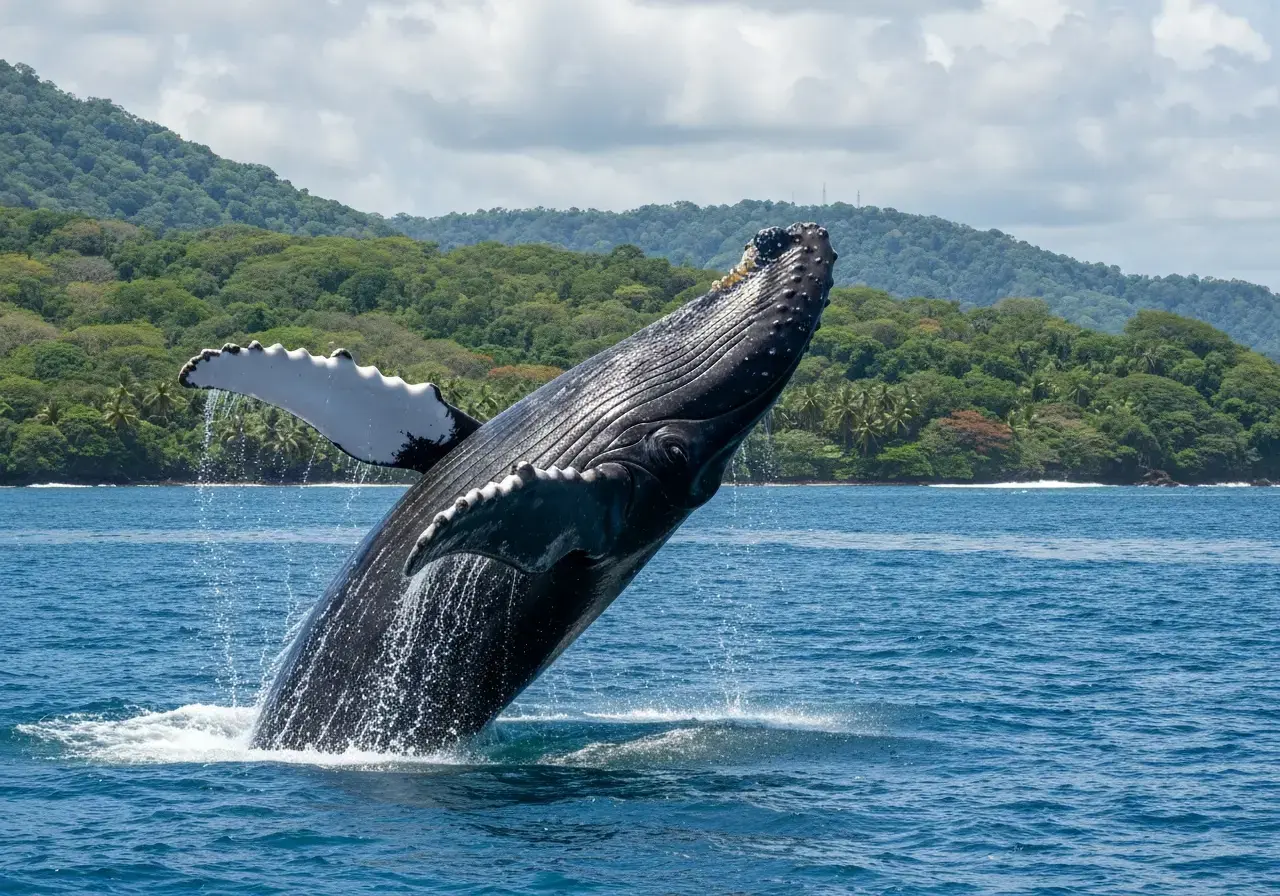
Whale watching tours in Costa Rica are most often associated with the country’s southern Pacific coast, especially areas such as Playa Flamingo, Guanacaste. These regions are known for strong seasonal humpback whale activity, particularly during the main migration windows.
Boat Trips Club tours in Costa Rica depart from Playa Flamingo in Guanacaste, on the northern Pacific coast. This area offers a different kind of coastal experience, with beautiful beaches, clear water, snorkeling spots, island views, and the chance to see marine wildlife during the trip.
While the southern Pacific is generally considered the most reliable region for dedicated whale watching, humpback whales can occasionally be spotted along Costa Rica’s northern Pacific coast during migration season. Sightings are never guaranteed, but travelers joining a Playa Flamingo boat tour during the December–April or July–October whale windows may have a chance to see whales, along with dolphins, sea turtles, rays, and seabirds.
Travelers staying in Guanacaste can also compare boat tours in Playa Flamingo Costa Rica before choosing a private or shared trip.
Playa Flamingo is a convenient departure point for travelers staying in Guanacaste, Tamarindo, Brasilito, Potrero, or nearby beach towns. Instead of transferring several hours south for a dedicated whale-watching trip, guests can enjoy a scenic boat tour from Guanacaste and keep an eye out for seasonal marine life along the way.
How Do the Two Whale Seasons Compare?
The two Costa Rica whale watching seasons share the same species but differ in scale, timing, and behavior. Northern-hemisphere humpbacks arrive in smaller numbers but stay for a longer window. Southern-hemisphere humpbacks arrive in larger concentrations during a shorter window.
| Season window | Whale population | Peak weeks | Typical behavior | Best departure port |
|---|---|---|---|---|
| December – April | Northern Pacific (Alaska, Pacific NW) | Late January to March | Calving, slow surface travel, nursing | Playa Flamingo/ Marino Ballena |
| July – October | Southern Pacific (Antarctic feeding grounds) | August and September | Breaching, tail-slapping, male competition pods | Playa Flamingo, Drake Bay, Osa Peninsula |
| May, June, November | Transition months | Low whale activity | Resident dolphins, occasional stragglers | Drake Bay / Golfo Dulce |
What Humpback Whale Behaviors Can You See on a Tour?
Humpback whales in Costa Rica routinely perform the surface behaviors the species is famous for: breaching, tail-slapping, pectoral fin slaps, and spy-hopping. Captains in Marino Ballena National Park and Drake Bay also report frequent underwater "song" encounters during the southern-hemisphere season.
Breaching — when a whale launches its body out of the water — is most common in mother-calf pairs teaching calves to swim, and in male competition pods. Tail-slapping and pec-slapping are believed to be long-distance communication signals. Spy-hopping, where a whale lifts its head vertically out of the water, is used to look at boats and surface features.
Mother-calf pairs are the signature sighting of the northern-hemisphere season. Calves are born in Costa Rican waters and spend their first weeks gaining strength before the migration back north.
Competition pods are the signature sighting of the southern-hemisphere season. Multiple males pursue a single female across miles of open water, producing chase behavior at high speeds. These encounters are most often reported in deeper waters off the Osa Peninsula.
Singing is the rarest experience for travelers. Adult male humpbacks produce long, structured songs that repeat for hours. Boats equipped with hydrophones can broadcast these songs onboard during quiet engine-off observation periods.
Planning a boat day in Costa Rica? Browse all Costa Rica boat tours and find the trip that feels right for your group.
What Other Wildlife Appears on Costa Rica Whale Watching Tours?
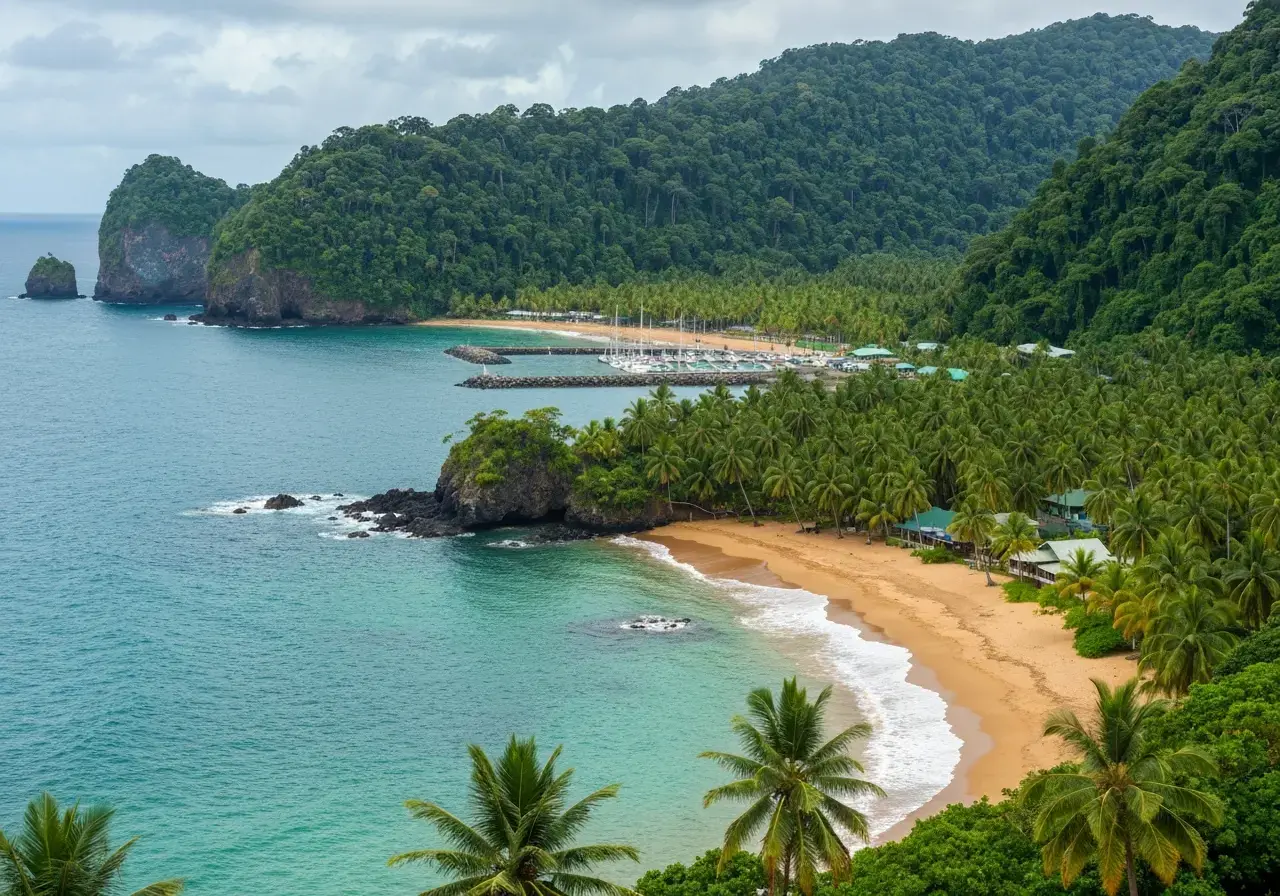
Costa Rica whale watching tours regularly produce sightings of dolphins, sea turtles, mobula rays, and tropical seabirds in addition to humpbacks. Captains in Drake Bay and Playa Flamingo commonly report pantropical spotted dolphins and bottlenose dolphins on the same trips that target whales.
Several sea turtle species use Costa Rica's Pacific waters, including olive ridley, green, hawksbill, and leatherback. Olive ridley turtles are the most commonly sighted from boats during whale season.
Mobula rays migrate through the Golfo Dulce in dense schools during the warmer months. During peak passage weeks, large numbers of rays can leap from the surface in a single field of view. The ray passage overlaps with the southern-hemisphere humpback window.
Tropical seabirds — magnificent frigatebirds, brown boobies, brown pelicans, and laughing gulls — track baitfish movements that also attract whales and dolphins. A flock of feeding seabirds is often the first sign a captain uses to locate active marine mammal activity.
For a wider look at marine animals you may see, read our guide to wildlife on Costa Rica boat tours.
What Should You Bring on a Costa Rica Whale Watching Tour?
Costa Rica whale watching tours requires sun protection, motion sickness preparation, and a camera ready for fast action. Full humpback breaches last only seconds at the surface, which sets the timing bar for photography.
Bring the following items:
- Reef-safe sunscreen
- Wide-brim hat with chin strap
- Polarized sunglasses for spotting whales beneath the surface
- Light long-sleeve layer for wind on open water
- Motion sickness medication taken before departure
- Camera or phone with fast shutter and ample storage
- Reusable water bottle
- Dry bag for electronics during snorkeling stops
Most operators provide drinking water, a light snack, and basic snorkel gear for add-on stops at protected reefs. Confirm inclusions and gear-bag limits when you book through Boat Trips Club, since smaller pangas have stricter policies than larger catamarans.
Which Costa Rica Whale Watching Season Is Right for You?
Choose the December–April season if you prioritize calm seas, family-friendly conditions, and intimate encounters with mother-calf pairs. The window aligns with Costa Rica's dry season and the easiest sea state of the year. Northern-hemisphere whales surface slowly and stay near calves, producing longer observation windows.
Choose the July–October season if you prioritize dramatic surface action, breaching photography, and the highest density of whales in the water. Southern-hemisphere whales arrive in larger numbers and engage in active competition behaviors that produce repeated breaches.
Travelers planning a single Costa Rica trip can hedge by booking shoulder weeks: late November into early December, or late June into early July. Captains in Playa Flamingo, Guanacaste occasionally report early-arriving individuals from the next season during these transition weeks. The trade-off is lower sighting reliability than during peak windows.
Still choosing the right trip? See all Costa Rica boat tours and find the best boat day for your travel dates.
Book a Whale Watching Tour Costa Rica
Book Costa Rica Whale Watching Tours through Boat Trips Club to compare departure ports, captains, and seasons in one place. Tours from Playa Flamingo, Guanacaste, are listed on the Costa Rica destination hub. Dates inside the December–April and July–October windows book out fastest, so confirm well in advance and reserve your preferred port early. And message us on WhatsApp to reserve your preferred port early for the whale watching tour Costa Rica.
FAQs: Costa Rica Whale Watching Tours
What is the best month for whale watching tours Costa Rica?
August and September consistently produce the heaviest sighting reports, driven by the southern-hemisphere humpback peak. Late January through March is the best window for mother-calf encounters during the northern-hemisphere season.
How long is a typical Costa Rica whale watching tour?
Most tours run roughly a half-day, including transit from port to the whale grounds and observation time on the water. Combined whale-and-snorkel tours from Playa Flamingo can extend into a longer half-day or full-day itinerary.
Can you see whales from Marino Ballena National Park beach?
Humpbacks are occasionally visible from the Whale's Tail sandbar at low tide during peak weeks. A boat tour increases sighting reliability significantly because boats can position closer to active pods within park boundaries.
Are Costa Rica whale watching tours safe for children?
Most operators accept school-age children and up, with life jackets sized for kids. The flat morning seas of the December–April dry season are the easiest conditions for young guests prone to motion sickness.
Do Costa Rica whale watching tours guarantee sightings?
Many reputable Costa Rica operators offer a re-ride or partial refund policy when no whales are sighted during peak-season departures. Confirm the specific policy when booking through Boat Trips Club.
What should I do if I get seasick on the tour?
Take motion sickness medication before departure and stay in open air on the boat's center deck. Fix your eyes on the horizon during transit, and ask the captain to reposition into the wind during stops.