



The top things to do in Thailand Chiang Mai are visiting the 30-plus Buddhist temples inside the one-square-kilometre old city moat, spending a day at a no-riding elephant sanctuary, traveling up to Wat Phra That Doi Suthep at 1,060 metres elevation on Mount Doi Suthep (1,676 metres), taking a half-day Thai cooking class, and walking the Sunday Walking Street market. Most travellers give Chiang Mai three to five nights, then fly south to Phuket for boat tours.
Chiang Mai is the practical base for northern Thailand and the natural halfway point between Bangkok and the Andaman Sea beaches. The sections below cover the temples, sanctuaries, day trips, and food classes worth booking on a Chiang Mai stopover. The last part shows how to pair things to do in Thailand Chiang Mai with a Phuket boat day on the southern leg, so the itinerary hangs together seamlessly.
Why Chiang Mai Anchors a Northern Thailand Itinerary
Chiang Mai is the cultural capital of northern Thailand and the practical base for temple visits, elephant sanctuaries, and mountain day trips.
Founded in 1296 as the capital of the Lanna Kingdom, the walled old city still sits inside a moat you can walk in about an hour. Chiang Mai International Airport connects directly to Bangkok, Phuket, Krabi, and a handful of regional hubs. Those connections make Chiang Mai the natural bridge between southern beach time and the northern highlands. Most travellers give the city three to five nights and use those nights to layer temples, one full-day excursion, and one hands-on class.
Chiang Mai sits at a higher elevation than Bangkok or the islands. Daytime feels cooler, and evenings can require a light layer between November and February.
What to Do in Chiang Mai’s Old City
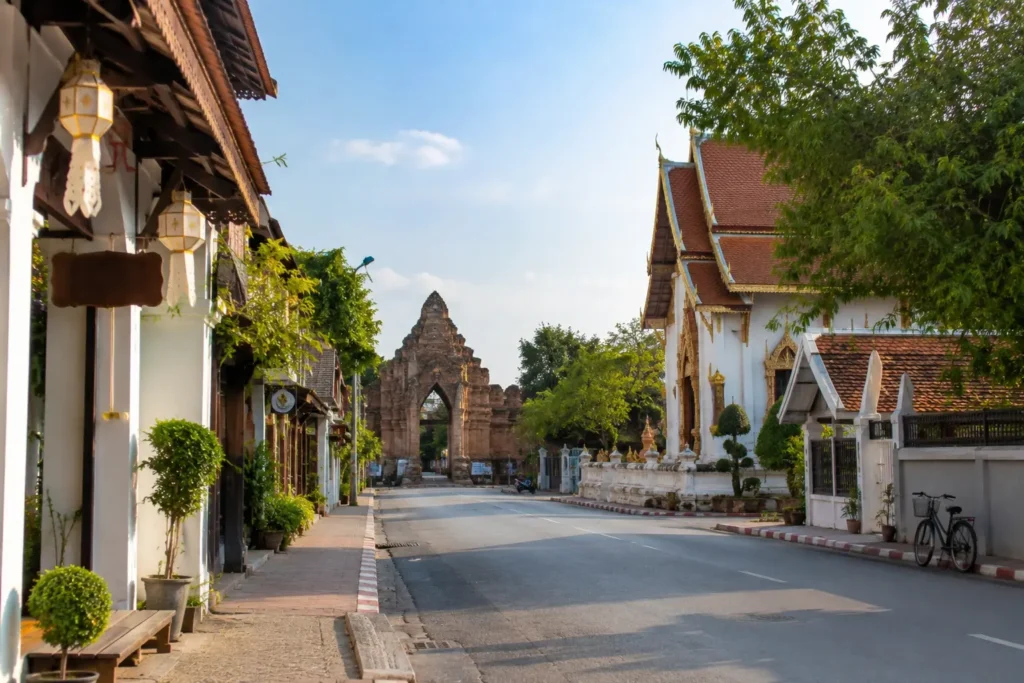
The old city holds more than 30 Buddhist temples inside a one-square-kilometre moat, and most are free to enter.
Wat Phra Singh is the most visited temple, home to the Phra Singh Buddha and a Lanna-era scripture library on stilts. Wat Chedi Luang, a few blocks east, is the ruined 15th-century stupa that once held the Emerald Buddha now kept in Bangkok. Wat Chiang Man is the oldest temple in the city, built when King Mengrai founded Chiang Mai. A slow walking loop between these three, plus a coffee stop, fits a comfortable half-day.
Dress rules matter here. Cover shoulders and knees, remove shoes before entering shrine halls, and keep voices low around monks in prayer. Photography is fine outside, but ask before pointing a lens at a monk.
Ethical Elephant Sanctuaries Around Chiang Mai
Chiang Mai is Thailand’s centre for ethical elephant tourism, with dozens of no-riding sanctuaries within a 1-to-2-hour drive of the old city.
The shift away from riding camps has been steady since the mid-2010s. Reputable sanctuaries now focus on feeding, bathing, and observation rather than saddled treks. Elephant Nature Park, founded by Lek Chailert in the 1990s, is the best-known operator and takes bookings months ahead in the high season. Smaller camps in the Mae Wang and Mae Taeng valleys run similar half-day and full-day programmes.
Look for camps that publish their herd size, list veterinary partners, and prohibit riding of any kind. Those three signals separate the ethical operators from repainted riding businesses.
Doi Suthep and the Best Day Trips From Chiang Mai
Doi Suthep is the mountain overlooking Chiang Mai from 1,676 metres, and the drive from the old city to Wat Phra That Doi Suthep takes about 35 to 45 minutes.
Wat Phra That Doi Suthep sits on the mountain at an elevation of 1,060 metres, reached by a 306-step naga staircase or a small funicular. The temple was founded in 1383 after a legend involving a white elephant that carried a Buddha relic to the site. On a clear day, the terrace looks out over the whole Chiang Mai valley.
Other strong day trips from Chiang Mai include:
- Doi Inthanon National Park: Thailand’s highest peak at 2,565 metres, with twin royal pagodas and waterfall trails. The drive takes roughly 1.5 to 2 hours each way from the old city.
- Chiang Rai and the White Temple (Wat Rong Khun): Located about a 3-to-3.5-hour drive north.
- Mae Kampong village: A coffee and tea hill village about a 1-to-1.5-hour drive (50 kilometres) east of the city.
- The Sticky Waterfalls (Bua Tong): Situated roughly a 1-to-1.5-hour drive north, where mineral deposits let you walk barefoot up the rock face.
Pick one big day trip per three nights in Chiang Mai. Trying to cover Doi Inthanon and Chiang Rai in the same visit turns the stopover into a bus tour.
Cooking Classes, Night Markets, and Chiang Mai After Dark
Chiang Mai runs more cooking schools per capita than any other Thai city, and most half-day classes start at a local market for ingredient shopping.
A typical class covers four to six dishes, including green curry from scratch, pad Thai, tom yum soup, and mango sticky rice. Classes run at morning and afternoon slots, usually four to five hours long. Ask whether the teacher provides a printed recipe booklet you can take home.
After dinner, the Sunday Walking Street on Ratchadamnoen Road stretches from Tha Phae Gate deep into the old city between 4 PM and midnight. The nightly Chiang Mai Night Bazaar on Chang Klan Road runs year-round for silverware, textiles, and street food. For a smaller crowd, the Saturday Walking Street on Wua Lai Road is the silver-quarter equivalent. If you want to explore the historical depth of the region, learn more on Wikipedia’s Chiang Mai page.
Best Time to Visit Chiang Mai

The best time to explore things to do in Thailand Chiang Mai is November through February, when daytime temperatures sit between 24 and 28 degrees Celsius and rain is rare.
March and April are the burning-season months. Farmers clear fields across the north, and the air-quality index in Chiang Mai often climbs above 150. Sensitive travellers should watch AQI readings and consider shifting the northern leg later in the year.
May through October is the green season. Rain usually falls in short afternoon bursts, prices drop, and the countryside around Doi Suthep and Mae Wang turns bright green. Loi Krathong, the lantern festival, falls in November and is the single most photographed week in Chiang Mai’s calendar.
| Season | Months | Weather | What to Expect |
| Cool and Dry | November to February | 24 to 28°C, low humidity | Peak season, book early |
| Hot and Dry | March to May | 30 to 38°C, poor AQI | Cheaper, air-quality risk |
| Green Season | June to October | Warm with afternoon rain | Fewer crowds, lush landscapes |
Pairing Chiang Mai With Phuket for the Southern Leg
When considering things to do Chiang Mai offers a rich cultural start, but most Thailand itineraries fly south to Phuket for the Andaman Sea portion. The direct flight takes about two hours.
Multiple daily services run on Thai AirAsia, Nok Air, and Thai Vietjet between Chiang Mai International Airport and Phuket International Airport. Once in Phuket, the boat-tour menu widens quickly. Phang Nga Bay’s limestone karsts, the Phi Phi Islands, and the Hong Island lagoons near Krabi are all reachable as day trips from Phuket. Sunrise seekers can also head to the Samet Nangshe viewpoint above the karsts. That structure lets one Thailand trip cover mountain temples and the Andaman Sea without doubling back through Bangkok.
If you are wondering what is there to do in Chiang Mai, Thailand, before heading south, pairing temple walks with island excursions creates the perfect trip balance. If you want a hands-off day after exploring things to do in Thailand Chiang Mai, an 8-hour private charter with lunch and hotel transfer is the most efficient way to see the islands. For an evening option, the Phang Nga bioluminescence dinner cruise covers dinner and the plankton show after dark.
Making the Most of Your Thailand Trip
Chiang Mai works best as three to five nights inside a ten to fourteen day Thailand plan that also includes Bangkok and Phuket. Layer one temple day, one sanctuary or day-trip day, and one cooking-class day, then fly south for beaches and boats.
When planning things to do in Thailand Chiang Mai, structuring your days efficiently leaves plenty of energy for island adventures later. Boat Trips Club handles the southern island portion of your journey, so once your northern schedule is fixed, you can reserve a private boat excursion that matches your preferences. You can easily view our complete selection of private charters and island excursions on the Thailand boat tours page.
Book a Private Boat Tour in Thailand From Phuket
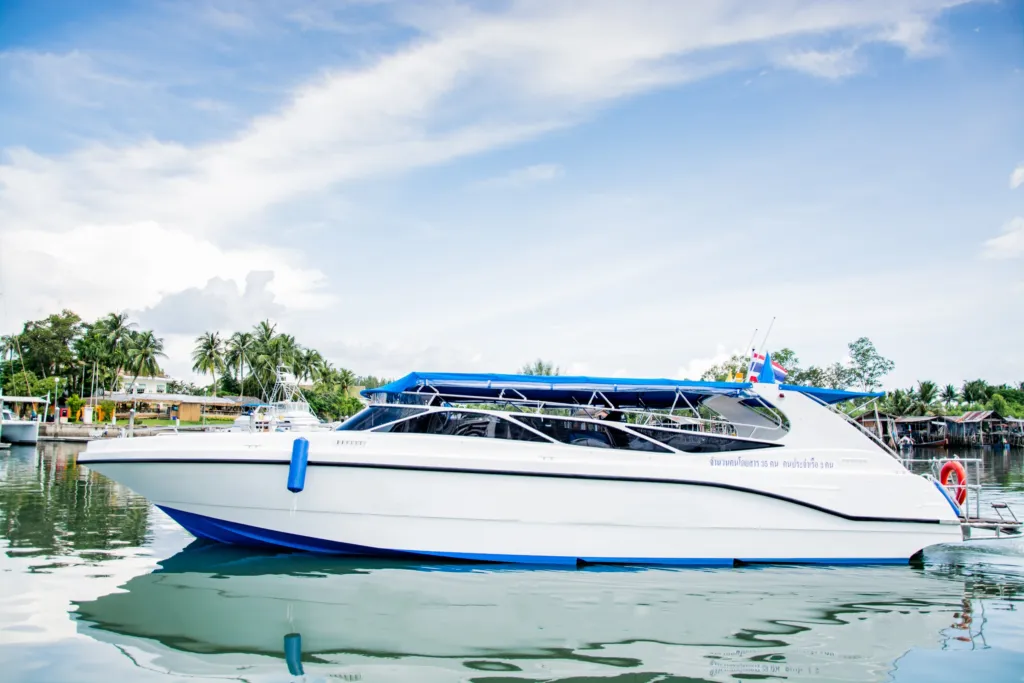
Once the northern leg wraps, the southern leg starts in Phuket. To explore iconic Phang Nga Bay karsts and floating villages, consider exploring our James Bond Island private boat tour for an 8-hour excursion to Khao Phing Kan and Koh Panyee. The tour is private for up to 10 guests and includes lunch, snorkeling, a captain and crew, and hotel transfers. Check live tour details and timing before locking your Chiang Mai flight south.
If you prefer world-famous white-sand beaches and crystal-clear snorkeling spots, check out our Phi Phi Islands private boat tour to experience the best of the Andaman Sea on a customized itinerary.
Final Thoughts
Combining the cultural heritage of northern Thailand with the tropical beauty of the southern islands delivers a complete Thai experience. From wandering ancient Lanna temples and taking ethical elephant sanctuary tours to mastering northern culinary secrets, Chiang Mai establishes a memorable foundation for your journey. Flying directly to Phuket afterwards seamlessly shifts your vacation from mountain highlands to turquoise waters and limestone karsts. By locking in your cultural itinerary in the north early, you can effortlessly pair it with custom island charters in the south for a balanced and stress-free adventure.
Ready to make your Thailand adventure unforgettable? Your perfect boat trip is just a click away.
Frequently Asked Questions
How many days should you spend in Chiang Mai?
Three to five nights is the standard length for a Chiang Mai stopover inside a wider Thailand trip. Two nights covers old-city temples only. Five nights lets you add an elephant sanctuary day and a Doi Inthanon or Chiang Rai excursion.
What are the top things to do in Chiang Mai for first-time visitors?
Old-city temples like Wat Phra Singh and Wat Chedi Luang, a half-day cooking class, an ethical elephant sanctuary, and a Doi Suthep visit cover the essentials. Add a Sunday Walking Street evening for markets and street food.
Can you visit elephants ethically in Chiang Mai?
Yes. Dozens of no-riding sanctuaries around Chiang Mai focus on feeding and bathing rather than saddled treks. Reputable operators publish their herd size, list veterinary partners, and refuse riding of any kind.
Is Chiang Mai worth visiting if you only have two weeks in Thailand?
Yes. A common two-week split gives Bangkok two to three nights, Chiang Mai three to four nights, and Phuket or Krabi five to seven nights. That structure covers culture, mountains, and the Andaman Sea coast.
How do you get from Chiang Mai to Phuket?
The direct flight from Chiang Mai International Airport to Phuket International Airport takes about two hours. Multiple daily services run on Thai AirAsia, Nok Air, and Thai Vietjet. Overland options exist through Bangkok but cost more time than they save.
When should you avoid Chiang Mai?
March and April are the burning-season months in northern Thailand, and air quality in Chiang Mai often reaches unhealthy levels. Travellers with asthma or respiratory conditions should schedule the northern leg outside those months.